
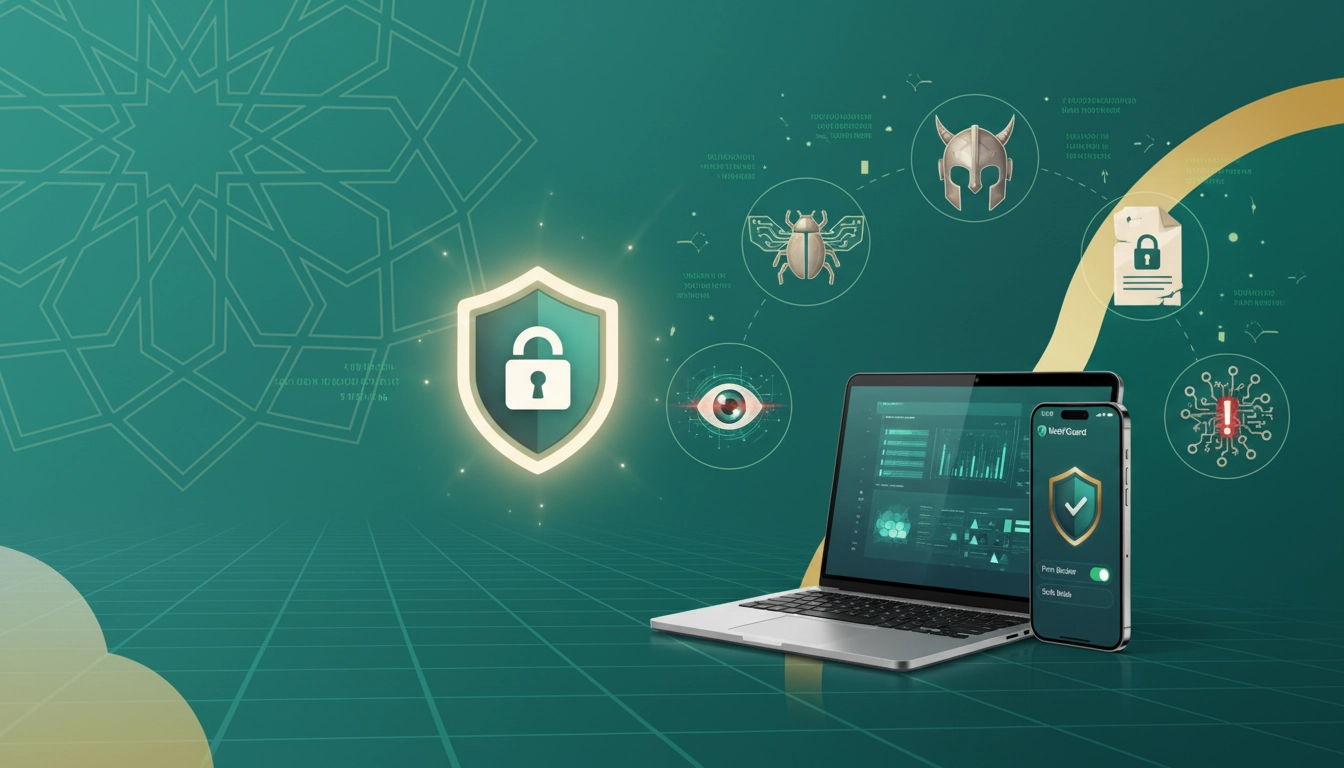
Our digital world is growing fast, and we have become so much dependent on the internet that we often share many of our important and sensitive information on the internet. And this is now one of the biggest threats that may be destructive for us. There is some softwares that steals or destroys our vitals called malware software. These malicious softwares are a huge threat to cyber security. In order to be careful, you need to know what malware software is and what kind of damage it causes.
What is Malware Software?
“Malicious Software” is shortly known as Malware. Basically softwares are used for various purposes such as business analysis, profit and loss analysis, programming communication etc but measures are used for many negative purposes. like your Private data and information hacking your computer taking control of your device, holding important files as hostess etc. These malignant softwares specially designed another internet users personal account aur PC and slow down network or devices are. That’s why this softwares is so harmful. We should be aware of it.
Exploring the Five Most Common Types of Malware
There are various types of malwares being rumored on the web. Here we will discuss about the five most common types of malwares :
1. Ransomware: The Digital Blackmailer
Ransomware, the online blackmailing software. With this software, hackers hold the victim’s important files hostage and demand a huge amount of money. The victim is then forced to pay the money to retrieve his important documents.
Example: WannaCry, Ryuk, Maze

2. Viruses: The Self-Duplicating Whip
Viruses are a kind of harmful software that have the ability to spread and in fact as digital pathogens, the same as other biological viruses, this malware is attached to legal programs and important other files on computers. It causes system crashes, hardware damage and data corruption etc.
Example: ILOVEYOU, Melissa, MyDoom
3. Worms: The Network Predators
These malware softwares as network predators are made such a way to transfer suspicious things in computer systems so that it can spread rapidly. The difference between virus and worm is: virus requires human interaction to spread but worm can spread by duplicating itself automatically without human interaction.
Example: Morris worm, Code Red, SQL Slammer
4. Trojans: The Deceitful Imposters
This malware is named after a historical wooden horse. By hiding its real identity, doing entry in any legal sides so that it cannot be traced easily. It makes various tricks to attract users to download or install them. After installing, Trojan starts its malicious activities stealing sensitive and important data and controlling the device.
Example: Emotet, Trickbot, Zeus
5. Spyware: The Invisible Watchers
Spyware is such a type of harmful malware that secretly monitors user’s activity without their permission. This malicious application can track and record conversations, even sensitive information, take screenshots, passwords and financial details.
Example: FinSpy, FlexiSpy, Predator
Image
How do Spread These Malwares?
1. Phishing Attacks:
- Email Phishing:
Several emails with suspicious links or attachments are sent by attackers to victims’ email addresses if a user clicks on that link or attachments hackers get access to login his accounts.
Image (Sample)
- Social Media Phishing:
Social media is a common platform where those malicious hunters wait to catch their prey. They send many lucrative offers and discount offers from different fake profiles. If anyone clicks on the links they can easily hack their social media accounts.
2. Malicious Downloads
- Infected Software:
Very often we download many popular shows, movies and dramas at a cheap rate or sometimes free from various untrusted websites which contain pirated and cracked version software that can easily cause Malware infections.
- Drive-by Downloads:
Randomly visiting different compromised websites may operate the download of malware onto the targeted device without permission. This phenomenon occurs due to weak web browsers and operating systems.
Image (sample)
3. Exploiting Vulnerabilities
- Software Vulnerabilities:
Hackers always find lacking systems and software, apps and web browsers. When they find any vulnerabilities they try to install Malware without seeking permission of users.
- No Recovery Option:
Such types of weakness software sellers are also unknown about, that’s why they have no recovery option. Attackers take this advantage to spread malware before recovering it.
4. Social Engineering
- Pretexting:
This is another specific types of malware attack where attackers make a fake pretext to gain trust so that they can grab sensitive information from victim’s computers.
- Baiting:
Hackers randomly leave any kind of infected USB drives or any other device like this in public places to find potential victims. When any victims unfortunately find and insert the drive to his PC, automatically Malware will be installed.
- Scareware:
Sometimes malware creators display some security warnings and insist to users install them for security.
5. Insider Threats
- Some malicious insider can be misuse there excess as employees of the organisation. And then steal important data to sell to the competitor or hackers and damage operation systems.
- Mistakenly sand sensitive data to the wrong recipient .
- Unintentionally clicking on infected files or links.
What are the Effects of These Malwares?
The effects of malware can be more harmful for individual and organisations. It has become more threat and risk for internet users. The effects can be:
- Data Loss:
- File Deletion:
Malware has the power to directly delete files or corrupt data on any device including sensitive documents, pictures, videos or other important files.
- Data Encryption (Ransomware):
These types of malware can encrypt files and make them inaccessible. They intentionally do this crime to demand money from users.
- System Disruptions:
- Crashes:
These malicious softwares can cause system crashes frequently and sometimes make devices unstable.
- Slowdown:
It can also slow down the system that programs can take a huge time to load. For this reason total operations may be lengthy and sluggish.
- Hardware Damage:
Sometimes malicious software can affect and damage hardware besides the operating system; it may include a hard disc drive or motherboard. This can be expensive to repair.

- Security Breaches:
- Data Theft:
Malicious Software can steal sensitive data and information including :
- Personal Information:
Names, addresses, phone numbers, birth dates, national ID card number etc.
- Financial Information:
Credit card numbers, bank account details, online banking credentials and history, income statements etc.
- Login Credentials:
Passwords and security code number for email, social media, and other online accounts.
- Unauthorized Access:
Hackers can easily get unauthorized and remote access through suspicious links. Such types of links allowed them to:
- Control your computer:
Randomly control target computers and install tracking software, delete files or use victims’ computers for any crime purpose.
- Monitor your activities:
It can track and monitor victims activities, browsing history, private mails etc.
Image (sample)
- Identity Theft:
Stolen Victim’s personal information may be used by hackers to:
- Open new account and hide their criminal records.
- Hack the credit cards and open new credit cards to transfer money.
- Apply for news amounts or other financial services.
- Open fake accounts to commit crime.
- Financial Loss:
- Ransomware Payments:
Paying the demanded money to ransomware attackers can cause great financial losses. Because usually they demand huge amount money.
- Fraudulent Transactions:
When hackers get access to personal and financial information, they can use it to illegal purchases and withdraw money from victims bank accounts.
- Repair Costs:
It is so costly to repair damaged hardware or remove malware software from systems.
- Reputational Damage (for Businesses):
Stealing data and malware attacks can damage any organisation’s reputation, such as:
- Lose customer and their trust
- Sometimes media coverage negatively
- Issues of Legal and regulatory
- Disrupted Productivity:

- Malware software affected important files so that users cannot open it easily. For this reason, important tasks maybe delayed.
- Employees may be unable to access critical files or applications.
- Malicious software attacks hardware or operating systems, that can slow down the systems. This is why operations may be halted for a while.
In conclusion, after discussing above we can say that, Malware can hampers are daily personal and professional activities frequently it may causes a significant losses and anxiety. by taking proper and proactive steps we can prevent it easily. Moreover, we should be aware of it.